
Articles
Please use the filters and search bar below to find articles that have been published in SWOT Report. All past SWOT Report articles are also available as PDFs in the SWOT Report section of this site.
Filter by Tags
- Africa 18
- Arribada 1
- Asia 23
- Atlantic Ocean 36
- Atlas 10
- Australia 8
- Cabo Verde 1
- Caribbean Sea & Gulf of Mexico 28
- Climate Change 14
- Coastal Development 16
- Direct Take 31
- East Indian and Southeast Asia 1
- East Pacific 1
- Europe 8
- FAQs 14
- Fisheries Bycatch 26
- Flatback 3
- Genetics 1
- Global 90
- Grants 5
- Green turtle 37
- Hawksbill 30
- India 1
- Indian Ocean 23
- Indonesia 1
- Kemp's ridley 11
- Leatherback 30
- Loggerhead 34
- Mediterranean Sea 7
- Mexico 1
- North America 36
- North Atlantic 1
- Olive ridley 11
- Outreach and Action 8
- Pacific Ocean 46
- Plastic 2
- Policy and Economics 5
- Pollution and Pathogens 17
- Rescue and Rehabilitation 4
- Research and Status 8
- SWOT Team Update 1
- South America 26
- South Atlantic 1
- Southeast Asia 2
- Special Feature 21
- Tortoiseshell 2
- Trade 2
- West Indian Ocean 2
- West Pacific 1
Filter by SWOT Report
- Announcements 1
- Online Exclusive Articles 16
- SWOT Report vol. 1 15
- SWOT Report vol. 10 12
- SWOT Report vol. 11 10
- SWOT Report vol. 12 12
- SWOT Report vol. 13 15
- SWOT Report vol. 14 14
- SWOT Report vol. 15 13
- SWOT Report vol. 16 16
- SWOT Report vol. 17 15
- SWOT Report vol. 18 13
- SWOT Report vol. 19 20
- SWOT Report vol. 2 24
- SWOT Report vol. 20 14
- SWOT Report vol. 21 13
- SWOT Report vol. 3 18
- SWOT Report vol. 4 13
- SWOT Report vol. 5 13
- SWOT Report vol. 6 12
- SWOT Report vol. 7 13
- SWOT Report vol. 8 4
- SWOT Report vol. 9 18

TurtleWatch: Turtle Watch Minimizes Clashes between Loggerheads and Longliners
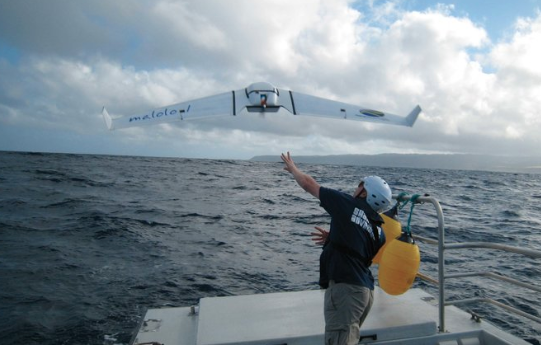
Juvenile loggerheads leave their natal beaches in Japan and spend a large portion of their early life in the open ocean traveling and foraging along a trans-Pacific “highway,” with some turtles reaching foraging grounds in Baja California. TurtleWatch uses up-to-date oceanographic information to give recommendations to longline fishers about which ares to fish if they are to avoid accidentally catching loggerheads.

Gone Turtling
For the past 10 years, the Frickers have gone “turtling” with biologist Dr. Mike James of the Canadian Sea Turtle Network (CSTN). The team has worked together since, contributing to a long list of scientific information important to the conservation of leatherbacks.

Studying Hawksbills: Where They Live
The vast majority of sea turtle studies happen on beaches when females emerge to nest, yet sea turtles spend virtually all of their lives at sea. In spite of those challenges, since 1998 the Barbados Sea Turtle Project (BSTP) of the University of the West Indies, Barbados, has been monitoring hawksbill turtles on foraging sites at depths of up to 40 meters (131 feet).

From Corail to Kélonia: A New Chapter For Indian Ocean Sea Turtles
Nearly all of captive rearing facilities for sea turtles have closed because of sea turtles’ endangered status, but some, like Corail Farm, have been redefined to live on in a new light. To follow their story is to follow the changing landscape of human interest and intervention in the lives of sea turtles.

The Flatback: Australia’s Own Sea Turtle
Until 1988, the Australian flatback was still so poorly understood that it was considered to be in the same genus as the green turtle. In the short time since then, science not only has renamed the flatback, but also has seemingly rediscovered Australia’s own sea turtle. This SWOT Feature Article presents a regional scale map of flatback nesting throughout its range.

Filling in the Gaps: New Insights into Old Questions about Sea Turtle Biology
Where are the primary nesting beaches? Where are the foraging areas for turtles originating from those beaches? How do turtles migrate between those areas? Incredibly, the gaps in our understanding of sea turtle biology that Archie Carr highlighted more than half a century ago continue to drive much of today’s sea turtle research worldwide.

Confronting Climate Change in the Indian Ocean: A Look at Coral Reefs and Nesting Beaches
n recent years, the issue of climate change has received a good deal of attention from media, governments, and communities around the world. But what does climate change mean for sea turtles and their habitats?

Location, Location, Location Why Leatherback Populations Vary Globally
Sea turtle researchers are often asked seemingly simple questions: How much do leatherbacks weigh? How many eggs do they lay? Are their numbers declining, and will they become extinct? Research has revealed that the answer to each of those age-old queries for leatherbacks is consistent: it depends.

The Ocean World through Turtles’ Eyes
One of the great difficulties in studying marine animals is that they spend most of their lives in places where humans can’t go. In 1986, biologist Greg Marshall had an idea, a new way to reveal this hidden world. This idea resulted in Crittercam— an animal-borne camera and data-logging device that records behavioral and ecological observations from the unique perspective of the creature wearing the device.