
Articles
Please use the filters and search bar below to find articles that have been published in SWOT Report. All past SWOT Report articles are also available as PDFs in the SWOT Report section of this site.
Filter by Tags
- Africa 18
- Arribada 1
- Asia 23
- Atlantic Ocean 36
- Atlas 10
- Australia 8
- Cabo Verde 1
- Caribbean Sea & Gulf of Mexico 28
- Climate Change 14
- Coastal Development 16
- Direct Take 31
- East Indian and Southeast Asia 1
- East Pacific 1
- Europe 8
- FAQs 14
- Fisheries Bycatch 26
- Flatback 3
- Genetics 1
- Global 90
- Grants 5
- Green turtle 37
- Hawksbill 30
- India 1
- Indian Ocean 23
- Indonesia 1
- Kemp's ridley 11
- Leatherback 30
- Loggerhead 34
- Mediterranean Sea 7
- Mexico 1
- North America 36
- North Atlantic 1
- Olive ridley 11
- Outreach and Action 8
- Pacific Ocean 46
- Plastic 2
- Policy and Economics 5
- Pollution and Pathogens 17
- Rescue and Rehabilitation 4
- Research and Status 8
- SWOT Team Update 1
- South America 26
- South Atlantic 1
- Southeast Asia 2
- Special Feature 21
- Tortoiseshell 2
- Trade 2
- West Indian Ocean 2
- West Pacific 1
Filter by SWOT Report
- Announcements 1
- Online Exclusive Articles 16
- SWOT Report vol. 1 15
- SWOT Report vol. 10 12
- SWOT Report vol. 11 10
- SWOT Report vol. 12 12
- SWOT Report vol. 13 15
- SWOT Report vol. 14 14
- SWOT Report vol. 15 13
- SWOT Report vol. 16 16
- SWOT Report vol. 17 15
- SWOT Report vol. 18 13
- SWOT Report vol. 19 20
- SWOT Report vol. 2 24
- SWOT Report vol. 20 14
- SWOT Report vol. 21 13
- SWOT Report vol. 3 18
- SWOT Report vol. 4 13
- SWOT Report vol. 5 13
- SWOT Report vol. 6 12
- SWOT Report vol. 7 13
- SWOT Report vol. 8 4
- SWOT Report vol. 9 18


Action on Ghost Gear
Ghost gear—intentionally or unintentionally abandoned, lost, or otherwise discarded fishing gear—is a global conservation problem that affects dozens of marine species, including sea turtles. Ghost gear continues to catch target and non-target species long after being lost, abandoned, or discarded, a process called ghost fishing.

Costa Rica: A Superlative Sea Turtle Country
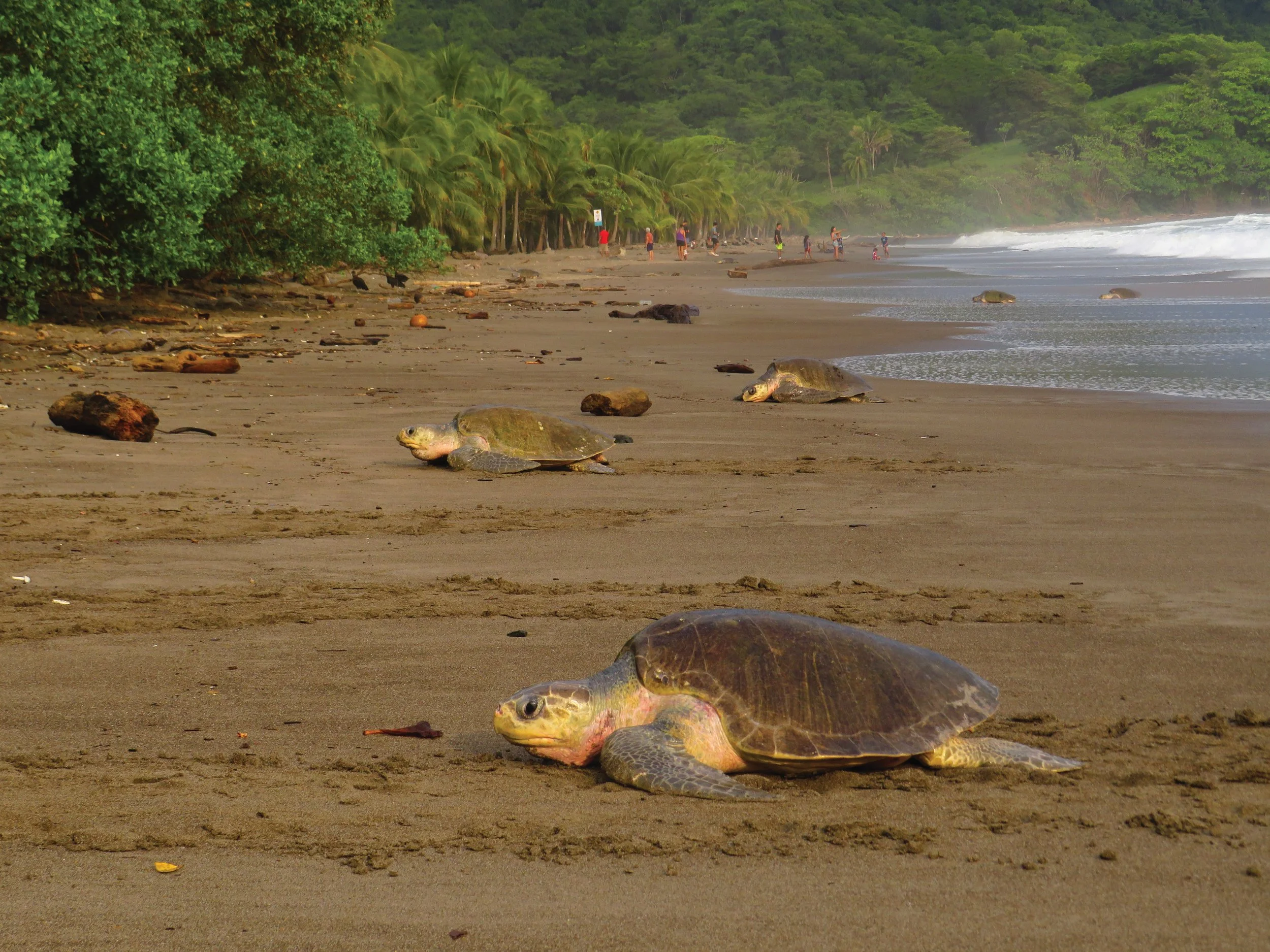
Costa Rica is a country of ocean, nature, and sea turtle superlatives. Five of the world’s seven species of sea turtles nest on its shores, a number exceeded only by the significantly larger countries of Australia and Mexico.
Important Turtle Areas in the Arabian Gulf
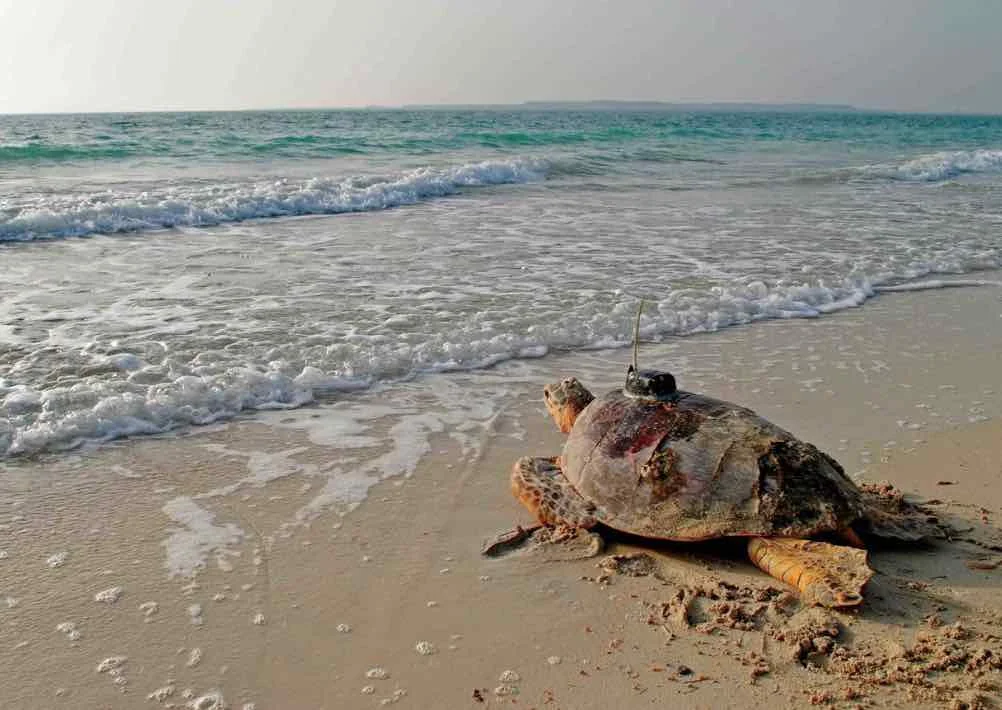
Knowing where turtles are in a particular life stage is a critical first step to defining Important Turtle Areas (ITAs), and recent advances in technology are allowing scientists across the planet to begin to unravel many of the mysteries of where turtles go while at sea. One area where this technology was recently applied with great results is the Arabian region, a part of the world not well known for its sea turtles.

Sea Turtle Nesting Expansion into Peru Brings New Management Challenges
Before 2000, there had been only a single published account of sea turtle nesting in Peru. The prevailing notion was that Peru is too far south—too cold—for successful sea turtle nesting. Thanks to the efforts of ecOceanica, we now know that nesting seems to be on the rise along Peru’s coast.

The 11 Most Threatened Sea Turtle Populations
The following list was published in The State of the World's Sea Turtles Report Vol. 7 in 2012 and identifies the 11 most threatened sea turtle populations in the world. This analysis was made possible by the priority-setting efforts of the Burning Issues (BI) Working Group of the IUCN Marine Turtle Specialist Group, which created a framework for delineating sea turtle populations globally (RMU's) and then evaluated, compared, and organized sea turtle RMU's within the context of a conservation "priorities portfolio".

The 12 Healthiest Sea Turtle Populations
The following list was published in The State of the World's Sea Turtles Report Vol. 7 in 2012 and identifies the 12 most healthiest sea turtle populations in the world. This analysis was made possible by the priority-setting efforts of the Burning Issues (BI) Working Group of the IUCN Marine Turtle Specialist Group, which created a framework for delineating sea turtle populations globally (RMU's) and then evaluated, compared, and organized sea turtle RMU's within the context of a conservation "priorities portfolio".

Solving the “Ridley Riddle"
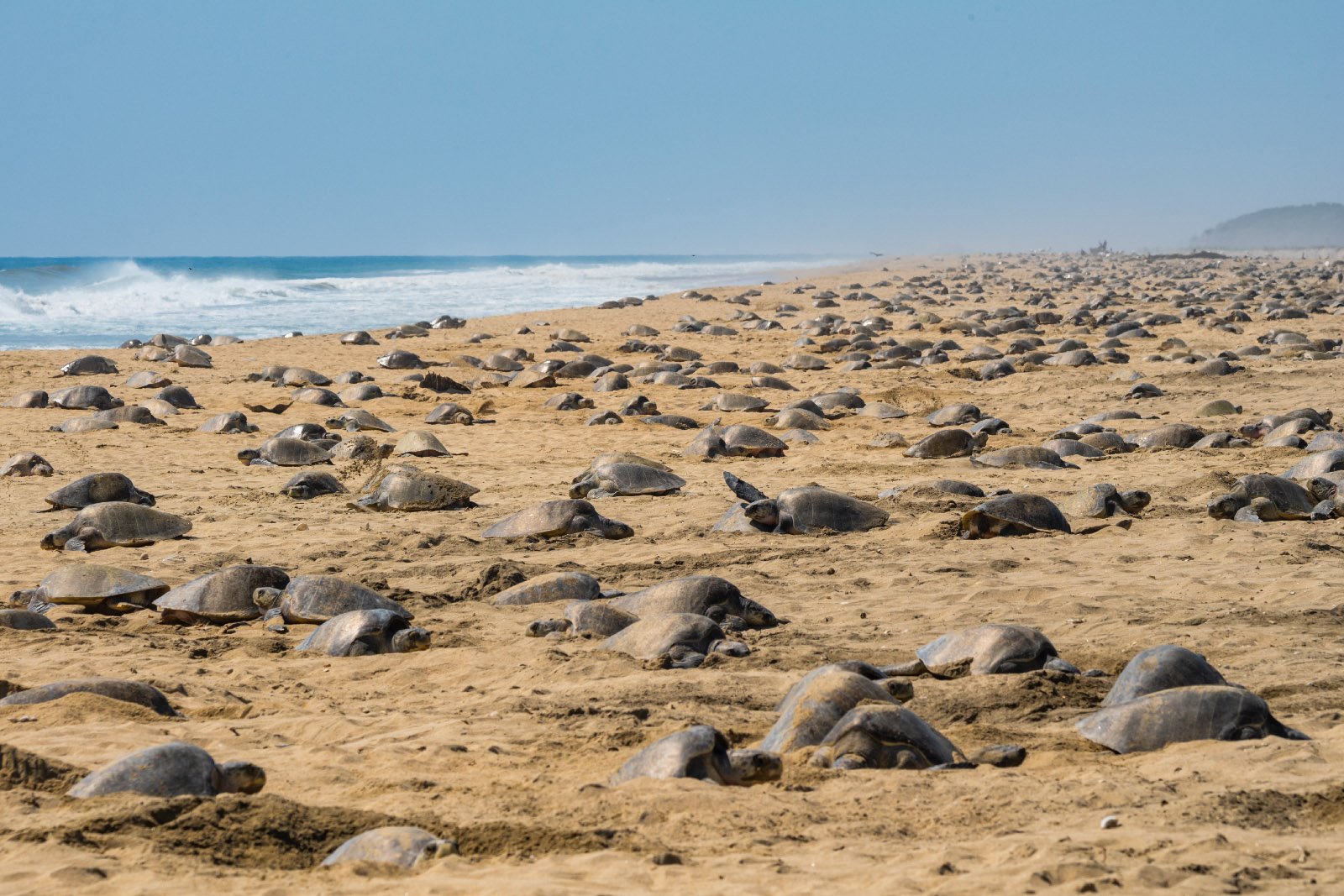
Back in the 1950s, the “riddle of the ridley turtle” stumped renowned sea turtle biologist Archie Carr. Where did that name come from? And where, indeed, did the turtles come from? Researchers have been working tirelessly to solve it ever since. In this Special Feature, SWOT presents the first ever global map of the biogeography of Olive ridley sea turtles.