
Articles
Please use the filters and search bar below to find articles that have been published in SWOT Report. All past SWOT Report articles are also available as PDFs in the SWOT Report section of this site.
Filter by Tags
- Africa 18
- Arribada 1
- Asia 23
- Atlantic Ocean 36
- Atlas 10
- Australia 8
- Cabo Verde 1
- Caribbean Sea & Gulf of Mexico 28
- Climate Change 14
- Coastal Development 16
- Direct Take 31
- East Indian and Southeast Asia 1
- East Pacific 1
- Europe 8
- FAQs 14
- Fisheries Bycatch 26
- Flatback 3
- Genetics 1
- Global 90
- Grants 5
- Green turtle 37
- Hawksbill 30
- India 1
- Indian Ocean 23
- Indonesia 1
- Kemp's ridley 11
- Leatherback 30
- Loggerhead 34
- Mediterranean Sea 7
- Mexico 1
- North America 36
- North Atlantic 1
- Olive ridley 11
- Outreach and Action 8
- Pacific Ocean 46
- Plastic 2
- Policy and Economics 5
- Pollution and Pathogens 17
- Rescue and Rehabilitation 4
- Research and Status 8
- SWOT Team Update 1
- South America 26
- South Atlantic 1
- Southeast Asia 2
- Special Feature 21
- Tortoiseshell 2
- Trade 2
- West Indian Ocean 2
- West Pacific 1
Filter by SWOT Report
- Announcements 1
- Online Exclusive Articles 16
- SWOT Report vol. 1 15
- SWOT Report vol. 10 12
- SWOT Report vol. 11 10
- SWOT Report vol. 12 12
- SWOT Report vol. 13 15
- SWOT Report vol. 14 14
- SWOT Report vol. 15 13
- SWOT Report vol. 16 16
- SWOT Report vol. 17 15
- SWOT Report vol. 18 13
- SWOT Report vol. 19 20
- SWOT Report vol. 2 24
- SWOT Report vol. 20 14
- SWOT Report vol. 21 13
- SWOT Report vol. 3 18
- SWOT Report vol. 4 13
- SWOT Report vol. 5 13
- SWOT Report vol. 6 12
- SWOT Report vol. 7 13
- SWOT Report vol. 8 4
- SWOT Report vol. 9 18
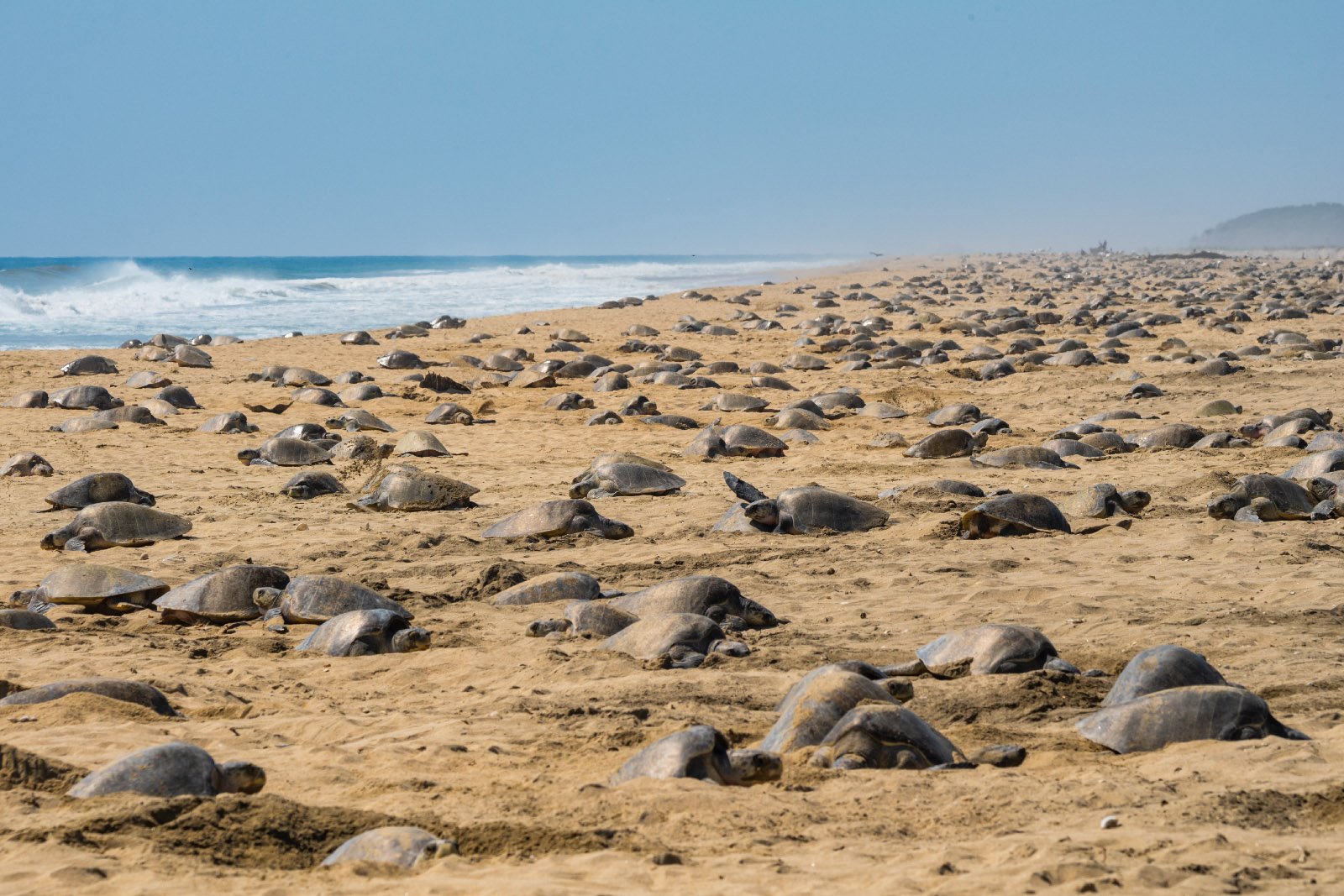


Finding the Keys to Safe Transport of Debilitated Turtles
Tending to the hundreds of debilitated sea turtles that wash ashore every year is a logistically complex operations that and carries risks for both the turtles and their rescuers. The Sea Turtle Preservation Society (STPS) has developed a set of best practices for transporting disabled turtles while mitigating some of the risks.

Florida’s Red Tides and Their Impacts on Sea Turtles
Harmful algal blooms (HABs) have occurred on Florida’s west coast for centuries, with the first documented report of the HAB known as a red tide in 1844. Although many different organisms can cause HABs, the red tide that commonly affects the Gulf Coast of Florida is caused by a single-celled dinoflagellate known as…

Atlantic Loggerheads: Why Isn’t the Best Understood Sea Turtle Recovering?
The Atlantic Ocean has served as a laboratory for pioneering work to save sea turtles. It is where Professor Archie Carr—and many whom he inspired— first addressed some profound mysteries that had stymied the conservation of such enigmatic marine animals. Loggerhead sea turtles …

Status Update: Modern Threats Taking a Toll on Northwest Atlantic Leatherbacks
Thanks to the decades of effort by dedicated beach monitors around the world we know where populations with positive trends are offering beacons of hope. Until recently, the Northwest Atlantic (NWA) leatherback, which nests throughout the Wider Caribbean region and spans the entire North Atlantic Ocean, even peeking into the Mediterranean, was one such beacon.
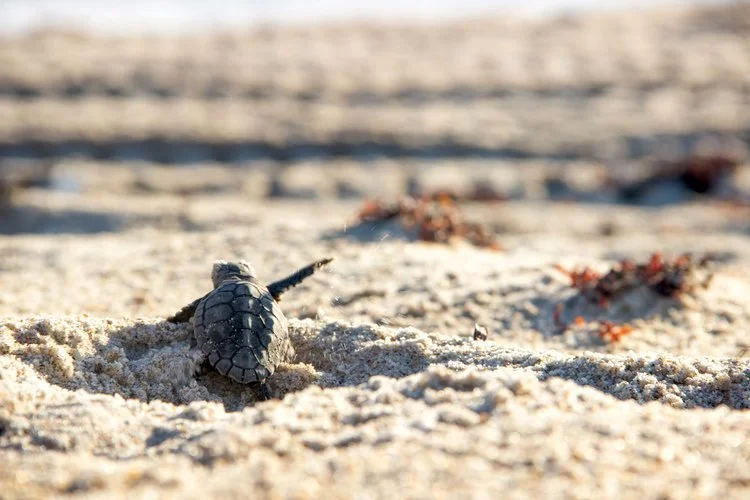
How Many Eggs Does It Take to Make an Adult Turtle?
With their specialized biology and their unique behaviors, sea turtles tend to provoke a lot of questions. Spend an hour with someone who is watching a turtle nest for the first time, and inevitably the questions will come: How old do they get? Where will she go after she leaves the beach? Where did she mate? When will she come back? How long until the babies become adults?

A Caribbean Eden Recovers From Hurricane Irma
On September 6, 2017, the face of Barbuda changed forever with the arrival of Category 5 Hurricane Irma. Irma left a trail of destruction which exacted a massive cost to local infrastructure, and affected local green and loggerhead turtle populations.

Stranding Networks: Administer the Three R’s in The American Atlantic
Aligned along the edge of the western North Atlantic Ocean is the U.S. Atlantic seaboard, a heavily populated region of coastal cities, maritime ports, military bases, and tourist beach destinations that covers more than 25,000 miles of coastline and spans 14 U.S. states from Florida to Maine. It is inevitable that sea turtles and human activities will intersect in the coastal waters and beaches of this highly trafficked zone. This story is about the region’s ongoing programs that Rescue, Rehabilitate, and Release (the three Rs) thousands of sea turtles annually and about the network of dedicated organizations and passionate professionals, volunteers, and public supporters who make it all happen.

Sea Turtles of the Mediterranean Sea
The Mediterranean Sea is a bountiful yet dangerous place for sea turtles. Characterized by beautiful natural and cultural heritage sites and by rich biodiversity, the Mediterranean is also a troubled and overexploited sea, where sea turtles have a hard time coping with high fishing pressure, gas and oil development, major cross-continental maritime traffic, beachfront and other habitat impacts, and widespread marine pollution.