
Articles
Please use the filters and search bar below to find articles that have been published in SWOT Report. All past SWOT Report articles are also available as PDFs in the SWOT Report section of this site.
Filter by Tags
- Africa 18
- Arribada 1
- Asia 23
- Atlantic Ocean 36
- Atlas 10
- Australia 8
- Cabo Verde 1
- Caribbean Sea & Gulf of Mexico 28
- Climate Change 14
- Coastal Development 16
- Direct Take 31
- East Indian and Southeast Asia 1
- East Pacific 1
- Europe 8
- FAQs 14
- Fisheries Bycatch 26
- Flatback 3
- Genetics 1
- Global 90
- Grants 5
- Green turtle 37
- Hawksbill 30
- India 1
- Indian Ocean 23
- Indonesia 1
- Kemp's ridley 11
- Leatherback 30
- Loggerhead 34
- Mediterranean Sea 7
- Mexico 1
- North America 36
- North Atlantic 1
- Olive ridley 11
- Outreach and Action 8
- Pacific Ocean 46
- Plastic 2
- Policy and Economics 5
- Pollution and Pathogens 17
- Rescue and Rehabilitation 4
- Research and Status 8
- SWOT Team Update 1
- South America 26
- South Atlantic 1
- Southeast Asia 2
- Special Feature 21
- Tortoiseshell 2
- Trade 2
- West Indian Ocean 2
- West Pacific 1
Filter by SWOT Report
- Announcements 1
- Online Exclusive Articles 17
- SWOT Report vol. 1 15
- SWOT Report vol. 10 12
- SWOT Report vol. 11 10
- SWOT Report vol. 12 12
- SWOT Report vol. 13 15
- SWOT Report vol. 14 14
- SWOT Report vol. 15 13
- SWOT Report vol. 16 16
- SWOT Report vol. 17 15
- SWOT Report vol. 18 13
- SWOT Report vol. 19 20
- SWOT Report vol. 2 24
- SWOT Report vol. 20 14
- SWOT Report vol. 21 13
- SWOT Report vol. 3 18
- SWOT Report vol. 4 13
- SWOT Report vol. 5 13
- SWOT Report vol. 6 12
- SWOT Report vol. 7 13
- SWOT Report vol. 8 4
- SWOT Report vol. 9 18
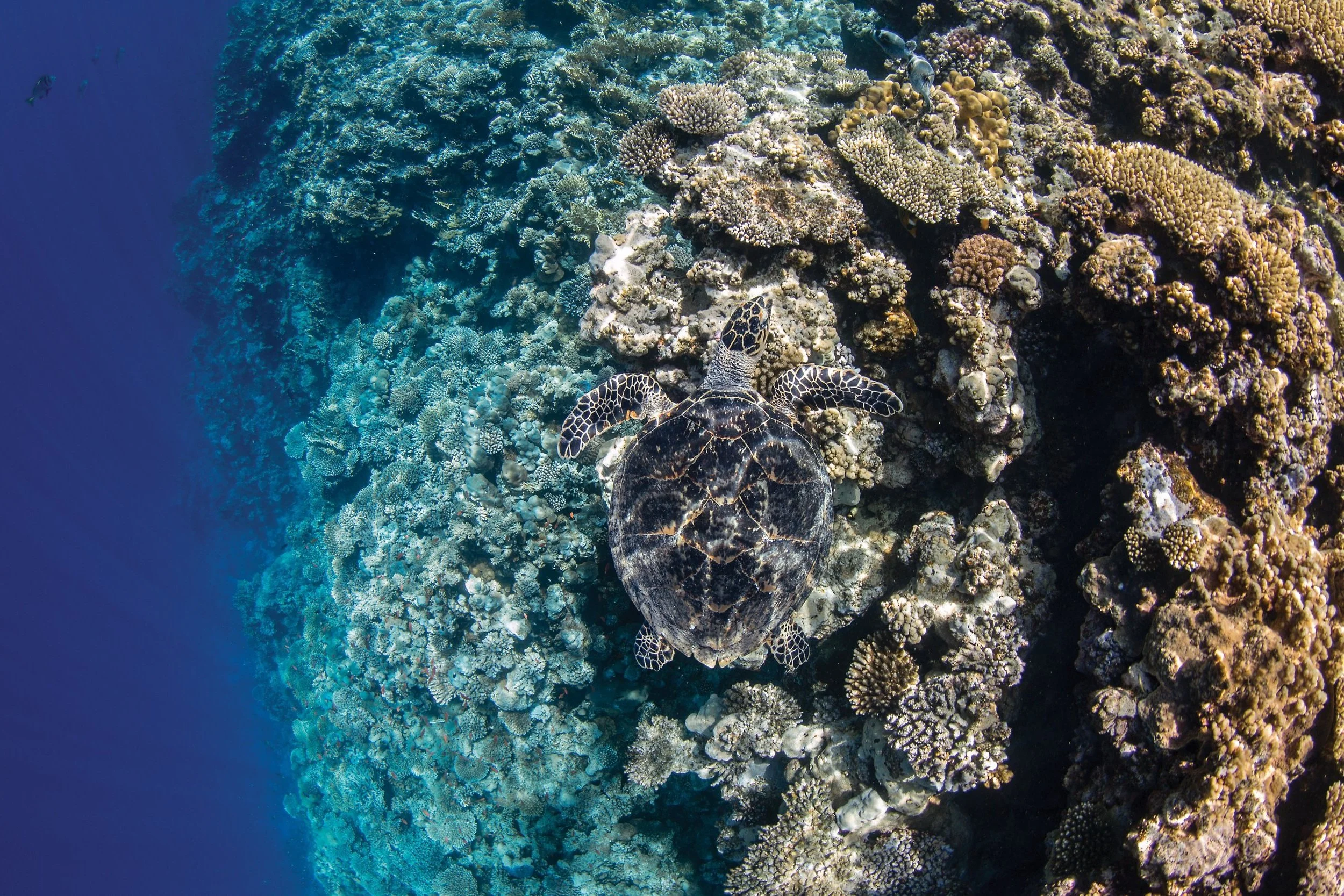


Sea Turtles of the Mediterranean Sea
The Mediterranean Sea is a bountiful yet dangerous place for sea turtles. Characterized by beautiful natural and cultural heritage sites and by rich biodiversity, the Mediterranean is also a troubled and overexploited sea, where sea turtles have a hard time coping with high fishing pressure, gas and oil development, major cross-continental maritime traffic, beachfront and other habitat impacts, and widespread marine pollution.

The Sea Turtles of Africa
Africa’s sea turtles were once among the least studied in the world, and mounting threats to their survival, such as fishing, poaching, coastal development, and pollution, still require further study and urgent attention. Today, a growing number of institutions and individuals are shedding new light on sea turtle science, and they are helping find solutions to the continent’s sea turtle and ocean conservation challenges.

Magic and Mixed Feelings in Turtle Paradise
During more than a decade of conservation, Vamizi’s 1,500 native residents have entirely turned away from their longstanding tradition of daily turtle consumption. Though researchers celebrated the shift as a conservation success, Interviews with local residents revealed some unsettling motivations for the change in behavior…

A New App Aids African Turtle Researchers
Marine megafauna, such as sea turtles and manatees, provide valuable ecosystem services, and the absence of those creatures in an ecological community can lead to severe imbalance. Up to the minute data on megafauna presence and abundance are often hard to acquire. To confront that challenge, in 2015 the African Marine Mammal Conservation Organization (AMMCO)—a Cameroon-based nongovernmental organization—created the first mobile phone application, SIREN, dedicated specifically to marine megafauna data collection in West Africa.

How Turtles Affect Beaches
People living on temperate shores are familiar with phenomena such as the salmon run, in which entire ecosystems emerge from winter hibernation, starving for nutrition and desperately waiting for the salmon to arrive. Sea turtle nesting is no different; it creates a massive nutrient pulse into otherwise nutrient-poor beach ecosystems.

Urbanization Chips Away Turtle Habitats in West-Central Africa
One of the most insidious threats to sea turtles in West-Central Africa is the impact of coastal development. Two coastal towns that illustrate this phenomenon well are the megacities of Lagos, Nigeria, and Pointe-Noire, Republic of the Congo. More adult sea turtles and nests have been lost to direct take as urban expansion and coastal settlement in those cities have brought increased light, ocean pollution and vessel traffic.