
Articles
Please use the filters and search bar below to find articles that have been published in SWOT Report. All past SWOT Report articles are also available as PDFs in the SWOT Report section of this site.
Filter by Tags
- Africa 18
- Arribada 1
- Asia 23
- Atlantic Ocean 36
- Atlas 10
- Australia 8
- Cabo Verde 1
- Caribbean Sea & Gulf of Mexico 28
- Climate Change 14
- Coastal Development 16
- Direct Take 31
- East Indian and Southeast Asia 1
- East Pacific 1
- Europe 8
- FAQs 14
- Fisheries Bycatch 26
- Flatback 3
- Genetics 1
- Global 90
- Grants 5
- Green turtle 37
- Hawksbill 30
- India 1
- Indian Ocean 23
- Indonesia 1
- Kemp's ridley 11
- Leatherback 30
- Loggerhead 34
- Mediterranean Sea 7
- Mexico 1
- North America 36
- North Atlantic 1
- Olive ridley 11
- Outreach and Action 8
- Pacific Ocean 46
- Plastic 2
- Policy and Economics 5
- Pollution and Pathogens 17
- Rescue and Rehabilitation 4
- Research and Status 8
- SWOT Team Update 1
- South America 26
- South Atlantic 1
- Southeast Asia 2
- Special Feature 21
- Tortoiseshell 2
- Trade 2
- West Indian Ocean 2
- West Pacific 1
Filter by SWOT Report
- Announcements 1
- Online Exclusive Articles 16
- SWOT Report vol. 1 15
- SWOT Report vol. 10 12
- SWOT Report vol. 11 10
- SWOT Report vol. 12 12
- SWOT Report vol. 13 15
- SWOT Report vol. 14 14
- SWOT Report vol. 15 13
- SWOT Report vol. 16 16
- SWOT Report vol. 17 15
- SWOT Report vol. 18 13
- SWOT Report vol. 19 20
- SWOT Report vol. 2 24
- SWOT Report vol. 20 14
- SWOT Report vol. 21 13
- SWOT Report vol. 3 18
- SWOT Report vol. 4 13
- SWOT Report vol. 5 13
- SWOT Report vol. 6 12
- SWOT Report vol. 7 13
- SWOT Report vol. 8 4
- SWOT Report vol. 9 18
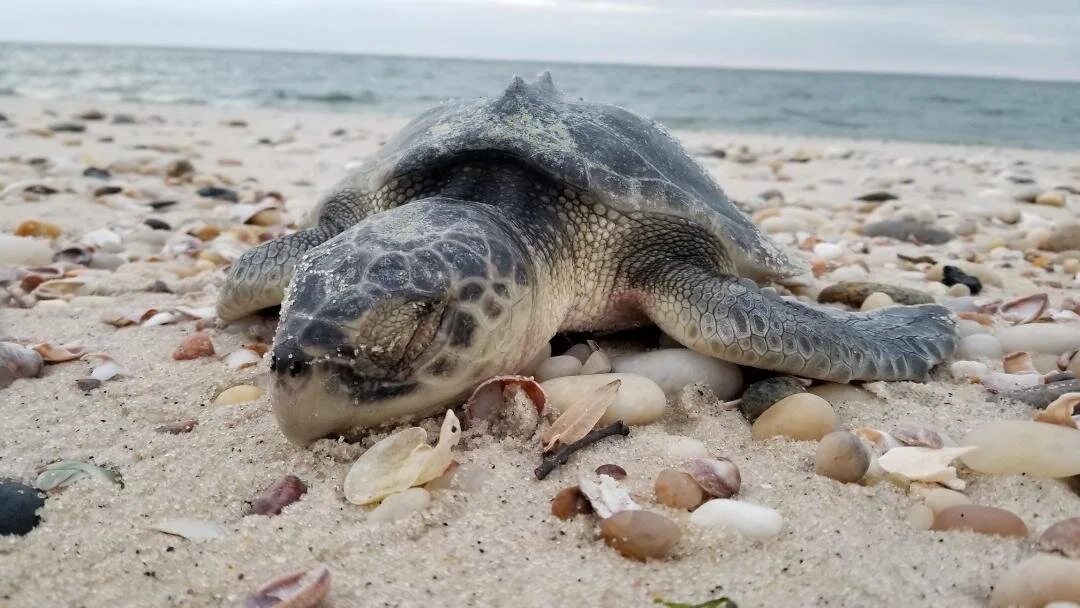


The Conservation Status of the Kemp's Ridley Worldwide
The Kemp’s ridley is a signature species for the Gulf of Mexico, and it has become an icon for conservation. Its story includes a long-term international conservation effort, undertaken by Mexico and the United States, which brought the species back from the brink of extinction. A recently completed IUCN Red List assessment not only evaluated the Kemp’s ridley’s current conservation status but also provided a rare glimpse into the history of a critically endangered species prior to its decline.

The Deadly Bucket
Where Cape Cod juts into the Atlantic Ocean from the east coast of the United States, it forms Cape Cod Bay and the southern end of Massachusetts Bay. The area, which bears the grim moniker “the Deadly Bucket,” is the site of the world’s largest recurring sea turtle stranding phenomenon.

New Riddle in the Kemp’s Ridley Saga
Kemp’s ridleys evaded the notice of scientists until the late 1800s. Once discovered, scientists took nearly 100 years to find out where and how they reproduce. In the past five years, an unexplained precipitous population decline has scientists scrambling to solve yet another riddle, one that will determine if the future of this critically endangered species is again in jeopardy.
Sea Turtle Farming: Past, Present and Future?
Green turtles provided a vital source of protein for settlers who arrived in the Cayman Islands more than 300 years ago. For centuries, green turtles were harvested directly from their natural habitats, but the unregulated and unsustainable harvest ultimately led to a dramatic decline in Cayman turtles in modern times. Many other nations that experienced similar declines chose to prohibit the consumption of green turtles, keeping in line with international legislation. The Cayman Islands took a different path and, in 1968, decided to turn to the commercial production of green turtles.


Solving the “Ridley Riddle"
Back in the 1950s, the “riddle of the ridley turtle” stumped renowned sea turtle biologist Archie Carr. Where did that name come from? And where, indeed, did the turtles come from? Researchers have been working tirelessly to solve it ever since. In this Special Feature, SWOT presents the first ever global map of the biogeography of Olive ridley sea turtles.

Plotting Kemp’s Ridleys, Plotting the Future of Sea Turtle Conservation
In 1947, Andres Herrera documented an estimated 40,000 Kemp’s ridleys nesting simultaneously in a single day at Rancho Nuevo, Mexico. Fourteen years later, scientists were shocked to see this phenomenon on tape because by then, Kemp’s numbers were reduced to approximately 6,000 animals in an entire year.