
Articles
Please use the filters and search bar below to find articles that have been published in SWOT Report. All past SWOT Report articles are also available as PDFs in the SWOT Report section of this site.
Filter by Tags
- Africa 18
- Arribada 1
- Asia 23
- Atlantic Ocean 36
- Atlas 10
- Australia 8
- Cabo Verde 1
- Caribbean Sea & Gulf of Mexico 28
- Climate Change 14
- Coastal Development 16
- Direct Take 31
- East Indian and Southeast Asia 1
- East Pacific 1
- Europe 8
- FAQs 14
- Fisheries Bycatch 26
- Flatback 3
- Genetics 1
- Global 90
- Grants 5
- Green turtle 37
- Hawksbill 30
- India 1
- Indian Ocean 23
- Indonesia 1
- Kemp's ridley 11
- Leatherback 30
- Loggerhead 34
- Mediterranean Sea 7
- Mexico 1
- North America 36
- North Atlantic 1
- Olive ridley 11
- Outreach and Action 8
- Pacific Ocean 46
- Plastic 2
- Policy and Economics 5
- Pollution and Pathogens 17
- Rescue and Rehabilitation 4
- Research and Status 8
- SWOT Team Update 1
- South America 26
- South Atlantic 1
- Southeast Asia 2
- Special Feature 21
- Tortoiseshell 2
- Trade 2
- West Indian Ocean 2
- West Pacific 1
Filter by SWOT Report
- Announcements 1
- Online Exclusive Articles 16
- SWOT Report vol. 1 15
- SWOT Report vol. 10 12
- SWOT Report vol. 11 10
- SWOT Report vol. 12 12
- SWOT Report vol. 13 15
- SWOT Report vol. 14 14
- SWOT Report vol. 15 13
- SWOT Report vol. 16 16
- SWOT Report vol. 17 15
- SWOT Report vol. 18 13
- SWOT Report vol. 19 20
- SWOT Report vol. 2 24
- SWOT Report vol. 20 14
- SWOT Report vol. 21 13
- SWOT Report vol. 3 18
- SWOT Report vol. 4 13
- SWOT Report vol. 5 13
- SWOT Report vol. 6 12
- SWOT Report vol. 7 13
- SWOT Report vol. 8 4
- SWOT Report vol. 9 18


The Pacific Loggerhead, So Excellent a Connector
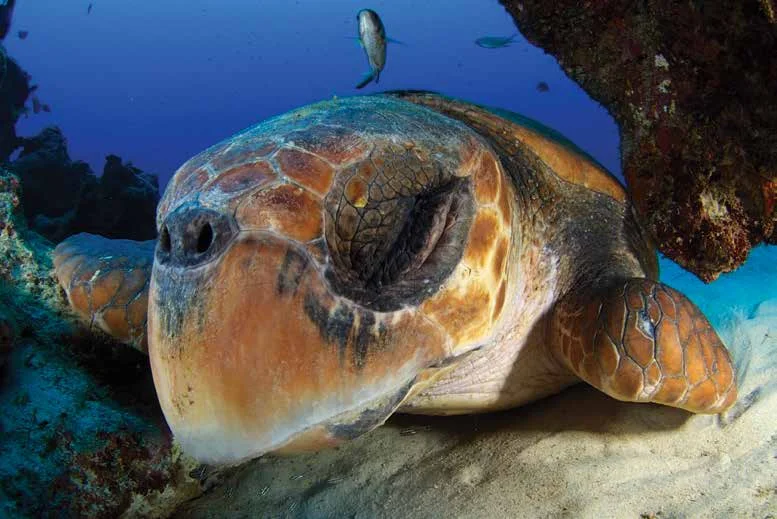
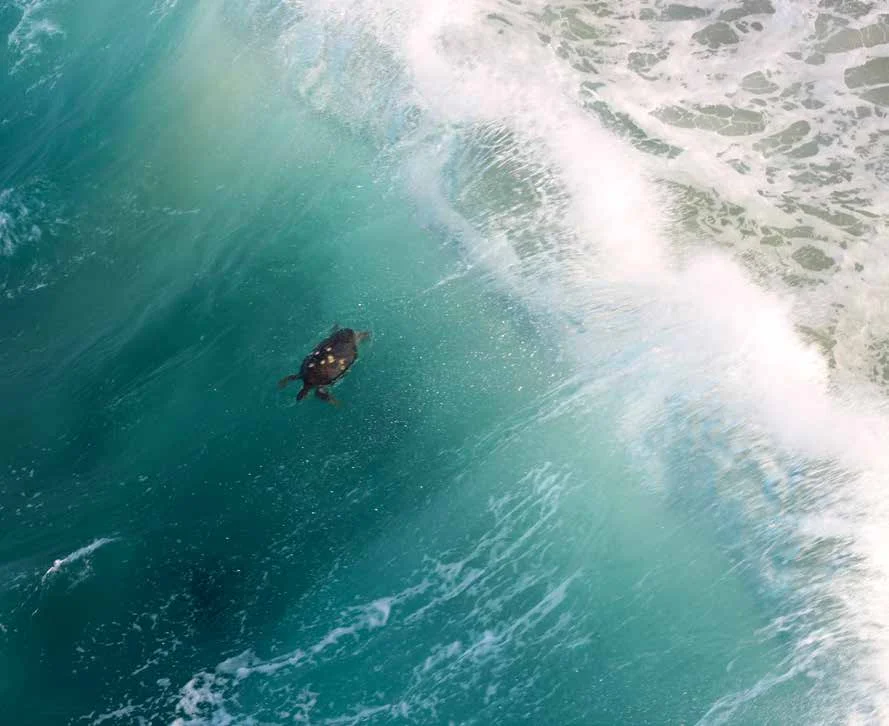
It has been 20 years since the satellite track of Adelita hit the mainstream media and newly birthed internet, sharing the real-time migration of a loggerhead sea turtle from Baja California, Mexico to Japan with millions of people worldwide. Captured in Mexico’s Gulf of California as a small juvenile and reared in captivity for more than a decade, Adelita couldn’t wait to return home once released. Up to that point, nobody could have imagined that a turtle could swim more than 11,500 kilometers (7,145 miles) in only 368 days…

Sea Turtle Conservation in the Land of Urashima Taro
Japanese folklore tells of a fisherman, Urashima Tarō, who rescues a sea turtle from torment and sets him free. In gratitude, the turtle transports the fisherman to a mythical Dragon Palace beneath the sea, where he is welcomed by a beautiful princess. This eighth-century fable sets the cultural backdrop for modern sea turtle conservation in Japan, where community-led efforts have restored once-decimated sea turtle populations.
Michoacán's Black Turtle: Back from the Brink
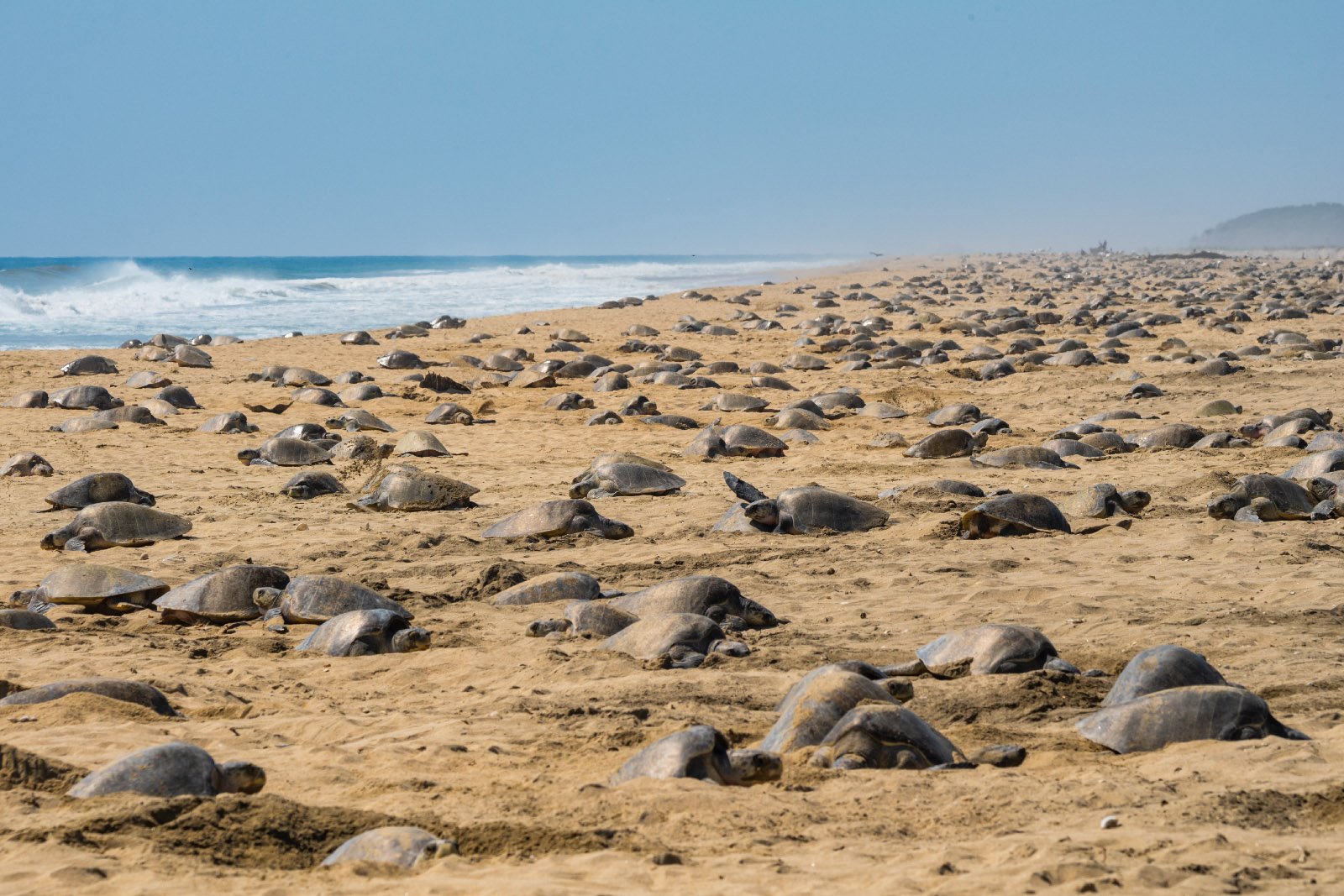
Located halfway between the resort cities of Acapulco and Puerto Vallarta, the coastline of Michoacán is comparatively quiet and secluded. Broad, sandy beaches here provide ideal nesting habitat for the black sea turtle. The rugged, vast expanse of Mexico’s Pacific coastline is the setting for one of the most inspirational sea turtle conservation success stories of all time.

Building Bycatch Solutions from the Ground Up for the East Pacific Leatherback
The East Pacific population of the leatherback is one of the world’s most threatened marine turtle regional management units, due in large part to bycatch of leatherbacks in foraging grounds. There may now be fewer than 1,000 adult females in this population owing to a combination of fisheries bycatch, egg harvesting, and other threats. As such, an expert working group was assembled to develop a 10-year regional action plan to halt and reverse the decline of the East Pacific leatherback turtle.

Green Turtles as Silent Sentinels of Pollution in the Great Barrier Reef
Understanding the impact of chemical contaminants on turtles can inform turtle conservation and also can guide efforts to protect and conserve larger ecosystems. Partners in WWF-Australia’s Rivers to Reef to Turtles project have spent the past four years studying the chemical profile and health impacts of pollutants found in green turtles in the hope of improving the way turtles and their habitats are monitored and conserved.

Trapped in the Crossroads of Honu Conservation
It is no secret that the Hawaiian green turtle population is recovering. The International Union for Conservation of Nature Red List classified the population as “least concern” in 2012, and the 2015 Endangered Species Act global status review concluded that Hawaii’s population of approximately 4,000 nesting females per year was increasing at a rate of 5.4 percent annually. The success of the Hawaiian green turtle, however, means that local human communities now face some new and unexpected challenges.

Sea Turtles of South America
South America has nearly 90,000 miles of coastline, and five of the world’s seven sea turtle species call the Pacific, Atlantic, and Caribbean waters and the beaches of South America their home for at least part of their life cycles.