
Articles
Please use the filters and search bar below to find articles that have been published in SWOT Report. All past SWOT Report articles are also available as PDFs in the SWOT Report section of this site.
Filter by Tags
- Africa 18
- Arribada 1
- Asia 23
- Atlantic Ocean 36
- Atlas 10
- Australia 8
- Cabo Verde 1
- Caribbean Sea & Gulf of Mexico 28
- Climate Change 14
- Coastal Development 16
- Direct Take 31
- East Indian and Southeast Asia 1
- East Pacific 1
- Europe 8
- FAQs 14
- Fisheries Bycatch 26
- Flatback 3
- Genetics 1
- Global 90
- Grants 5
- Green turtle 37
- Hawksbill 30
- India 1
- Indian Ocean 23
- Indonesia 1
- Kemp's ridley 11
- Leatherback 30
- Loggerhead 34
- Mediterranean Sea 7
- Mexico 1
- North America 36
- North Atlantic 1
- Olive ridley 11
- Outreach and Action 8
- Pacific Ocean 46
- Plastic 2
- Policy and Economics 5
- Pollution and Pathogens 17
- Rescue and Rehabilitation 4
- Research and Status 8
- SWOT Team Update 1
- South America 26
- South Atlantic 1
- Southeast Asia 2
- Special Feature 21
- Tortoiseshell 2
- Trade 2
- West Indian Ocean 2
- West Pacific 1
Filter by SWOT Report
- Announcements 1
- Online Exclusive Articles 16
- SWOT Report vol. 1 15
- SWOT Report vol. 10 12
- SWOT Report vol. 11 10
- SWOT Report vol. 12 12
- SWOT Report vol. 13 15
- SWOT Report vol. 14 14
- SWOT Report vol. 15 13
- SWOT Report vol. 16 16
- SWOT Report vol. 17 15
- SWOT Report vol. 18 13
- SWOT Report vol. 19 20
- SWOT Report vol. 2 24
- SWOT Report vol. 20 14
- SWOT Report vol. 21 13
- SWOT Report vol. 3 18
- SWOT Report vol. 4 13
- SWOT Report vol. 5 13
- SWOT Report vol. 6 12
- SWOT Report vol. 7 13
- SWOT Report vol. 8 4
- SWOT Report vol. 9 18

Recovery at Ascension
The remote island of Ascension used to number once hosted an abundance of nesting green turtles, which travel there from their foraging grounds off the coast of Brazil. After more than a century of exploitation by mostly European mariners, turtles are making a definite recovery.

Building our Knowledge of the Leatherback Stock Structure
These complexities of sea turtles’ life histories complicate the task of drawing precise boundary lines around each stock. And although current means of studying stock structure are limited on their own— such as molecular genetics, tagging, and satellite telemetry—limitations can be overcome when these tools are employed together.

How Tourism, Tourists, and Coastal Residents Can Be Stewards of Sea Turtles
Many of the quiet, sandy beaches at which turtles have nested for millennia are some of today’s most popular vacation destinations around the globe. Improperly managed, tourism destinations can degrade beaches and alter the natural environment on which turtles and other wildlife depend for survival.

Increasing Fishers’ Awareness Leads to Decrease in Turtle Bycatch
Fishers themselves are at the front line of the fisheries bycatch battle. This program focuses on deriving solutions that will allow fishers to continue to earn a living from the ocean, while simultaneously protecting the marine environment for the long term.

Seafood Diet for a Small Planet
The billions of hooks set on longlines throughout the world’s oceans each year injure and kill millions of animals other than the fishers’ targeted fish species. So what can we, as consumers and informed citizens, do about it?

New Deep-Set Longline Is Smart Gear
While most boats fishing for tuna already set their lines deep, normal setting practices still leave a good portion of the baited hooks in shallow water where they are likely to snare a swimming sea turtle. WWF’s International Smart Gear Competition awarded Steve Beverly the grand prize for his innovative ideas to create more turtle-friendly fishing tech.
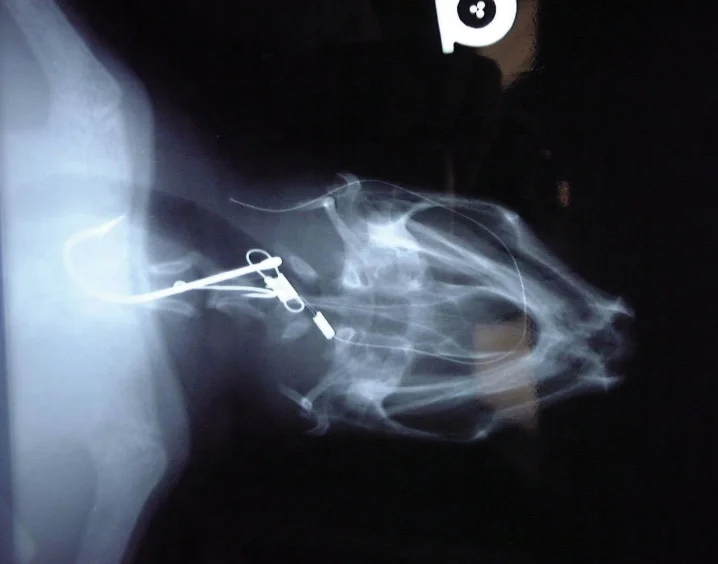
Fishing Technology Gears Up for Turtle Conservation
Story after story tells that bycatch in pelagic and coastal fisheries may be one of the greatest threats to sea turtles in the open ocean, where they spend a great portion of their lives. A variety of current research is testing new approaches to fishing to reduce that threat.

Understanding the Incentive: How One Community Conserves Turtle, Reef, and Forest
Kamiali now stands out as the only area of protected reef and forest along this entire coastline. A globally important sea turtle population is recovering from years of over-harvest. And other communities with valuable forests and reefs are now keen to replicate the Kamiali approach in adjacent areas.
Costa Rica: Sea Turtles Forge the Policy Path of Marine Conservation
In 2004, a remarkable series of events took place in Costa Rica that has helped to dramatically improve the state of marine and terrestrial protection throughout the country and throughout the Central American region.