
Articles
Please use the filters and search bar below to find articles that have been published in SWOT Report. All past SWOT Report articles are also available as PDFs in the SWOT Report section of this site.
Filter by Tags
- Africa 18
- Arribada 1
- Asia 23
- Atlantic Ocean 36
- Atlas 10
- Australia 8
- Cabo Verde 1
- Caribbean Sea & Gulf of Mexico 28
- Climate Change 14
- Coastal Development 16
- Direct Take 31
- East Indian and Southeast Asia 1
- East Pacific 1
- Europe 8
- FAQs 14
- Fisheries Bycatch 26
- Flatback 3
- Genetics 1
- Global 90
- Grants 5
- Green turtle 37
- Hawksbill 30
- India 1
- Indian Ocean 23
- Indonesia 1
- Kemp's ridley 11
- Leatherback 30
- Loggerhead 34
- Mediterranean Sea 7
- Mexico 1
- North America 36
- North Atlantic 1
- Olive ridley 11
- Outreach and Action 8
- Pacific Ocean 46
- Plastic 2
- Policy and Economics 5
- Pollution and Pathogens 17
- Rescue and Rehabilitation 4
- Research and Status 8
- SWOT Team Update 1
- South America 26
- South Atlantic 1
- Southeast Asia 2
- Special Feature 21
- Tortoiseshell 2
- Trade 2
- West Indian Ocean 2
- West Pacific 1
Filter by SWOT Report
- Announcements 1
- Online Exclusive Articles 16
- SWOT Report vol. 1 15
- SWOT Report vol. 10 12
- SWOT Report vol. 11 10
- SWOT Report vol. 12 12
- SWOT Report vol. 13 15
- SWOT Report vol. 14 14
- SWOT Report vol. 15 13
- SWOT Report vol. 16 16
- SWOT Report vol. 17 15
- SWOT Report vol. 18 13
- SWOT Report vol. 19 20
- SWOT Report vol. 2 24
- SWOT Report vol. 20 14
- SWOT Report vol. 21 13
- SWOT Report vol. 3 18
- SWOT Report vol. 4 13
- SWOT Report vol. 5 13
- SWOT Report vol. 6 12
- SWOT Report vol. 7 13
- SWOT Report vol. 8 4
- SWOT Report vol. 9 18

A New Way to Tag
If you have ever worked on a sea turtle nesting beach project, then you have probably had the experience of snapping a metal tag to the trailing edge of a sea turtle’s flipper. In recent years a new genetic technique has emerged as an alternative to physical tagging.

Eyes in the Sky Help Sea Turtle Research
The use of small manned aircraft to perform aerial surveys has long been a standard practice in monitoring populations of marine megafauna. The higher the eye, the more it can see. But those flights are generally costly, and engine noise can adversely affect animals’ behavior during low flybys. Small, maneuverable, inexpensive, and no louder than the hum of a beehive, drones are beginning to provide an more powerful tool for researchers conducting aerial surveys.

Picture Perfect Photography for Turtle Monitoring
Recapturing sea turtles in the water requires significant resources, including watercraft, fuel, time, and people power, and it may also cause the turtles unnecessary stress. Finding a way to identify and re-identify turtles over time without the need to physically capture them could open up many possibilities for us and for hundreds of other projects that use similar techniques.

Ancient Mayan “Place of the Turtles” Copes with Modern-Day Tourism
Akumal, a small town about 100 kilometers south of the well-known tourism mecca of Cancún, was the first tourist destination in Quintana Roo, and tourists flock to Akumal by the tens of thousands annually. As a result, local sea turtle populations and marine ecosystems are now threatened by the impacts of too much visitation.
Sea Turtle Farming: Past, Present and Future?
Green turtles provided a vital source of protein for settlers who arrived in the Cayman Islands more than 300 years ago. For centuries, green turtles were harvested directly from their natural habitats, but the unregulated and unsustainable harvest ultimately led to a dramatic decline in Cayman turtles in modern times. Many other nations that experienced similar declines chose to prohibit the consumption of green turtles, keeping in line with international legislation. The Cayman Islands took a different path and, in 1968, decided to turn to the commercial production of green turtles.
The State of SWOT: Ten Years and Counting
SWOT has grown in leaps and bounds since the publication of SWOT Report Volume 1 in 2006. Now that we have seen how far SWOT has come, what might the next 10 years hold?

The Hawksbill Cup: A Social Innovation Helps Save Turtles Through Sport
In an attempt to harness Central Americans’ soccer passion for conservation purposes, a group of sea turtle researchers developed the Hawksbill Cup as a tool to shift the way coastal residents view hawksbills.
Invisible Records Reveal New Understandings
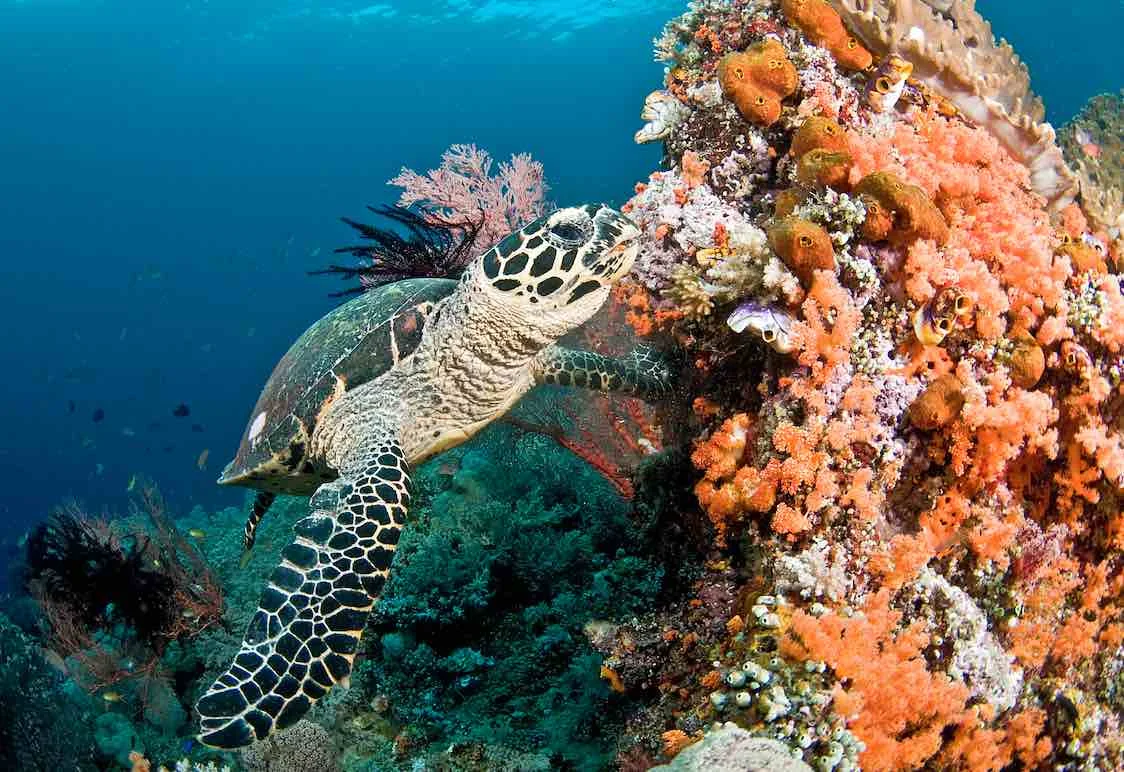
Sea turtles, like all other organisms in the natural world, carry invisible records of their biological history. Researchers simply need to know where and how to look for these records. Stable isotopes are among a growing number of intrinsic markers biologists use to extract information about organisms’ environments without having to observe their actions directly.

lluminating Innovations in Fisheries Technology Reduce Bycatch
Coastal gillnet fisheries are some of the most common fisheries throughout the world, and they play an important role in the food security, economics, and culture of coastal communities. Yet gillnet fisheries are often problematic because of their nonselective impact on the marine environment; they incidentally capture many nontarget species.

Bold Innovations Set the Pace for Research and Conservation
The very word innovation excites some people and simultaneously imparts fear of the unknown in others. Throughout history, innovators have constantly been met with resistance, but those who innovate ultimately achieve success far beyond the dreams of others, and they set the stage for worldwide changes. Innovation is the future, and without it our lives would not be what they are today. The same is true for sea turtle conservation.