
Julieth Vanessa Tabares Polo (2024)
Playa Bobalito, Colombia is a crucial nesting site for the Caná, or leatherback, turtle), yet significant knowledge gaps exist regarding its population status and nesting ecology. Local monitoring efforts have been inconsistent due to a lack of formal training, and no extensive studies have been conducted in over 25 years. With the imminent opening of of the large port Puerto Antioquia, new threats such as habitat disturbance, pollution, and increased maritime traffic could further endanger this vulnerable population. This project aims to address these gaps by implementing a precise monitoring system and training community members in standardized research techniques. By collecting accurate data on nesting trends and threats, the project will provide essential information for conservation strategies, ensuring better protection for the species.
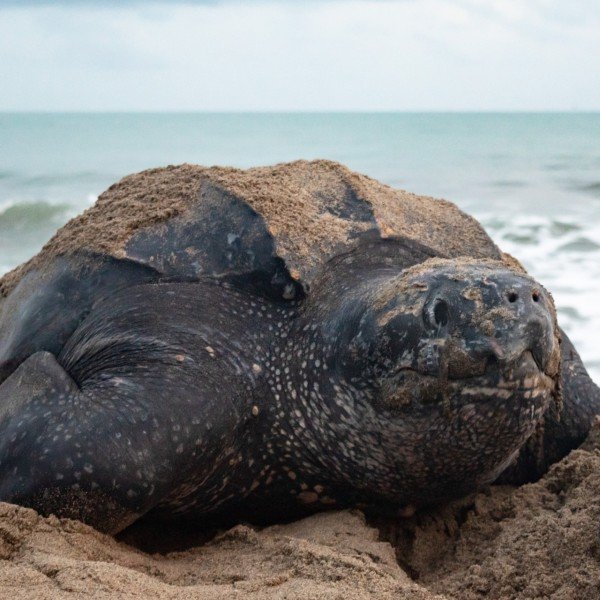
The initiative will strengthen community involvement by equipping locals with the skills to monitor and protect nesting sites effectively. Climate change, pollution, and coastal development will be assessed as key factors affecting hatching success and hatchling survival. These data will generate baseline information necessary for long-term conservation planning, informing policymakers and local stakeholders about the ecological importance of Playa Bobalito. Supported by CORPOURABA and the University of Antioquia, this initiative will not only improve management strategies but also encourage Puerto Antioquia to take responsibility for minimizing its environmental impact on sea turtles in the Gulf of Urabá.